
When the Time is Right
Don’t think the horse is the only one with the bit in its mouth, or the dog with a collar. We are leashed with the rest of them.

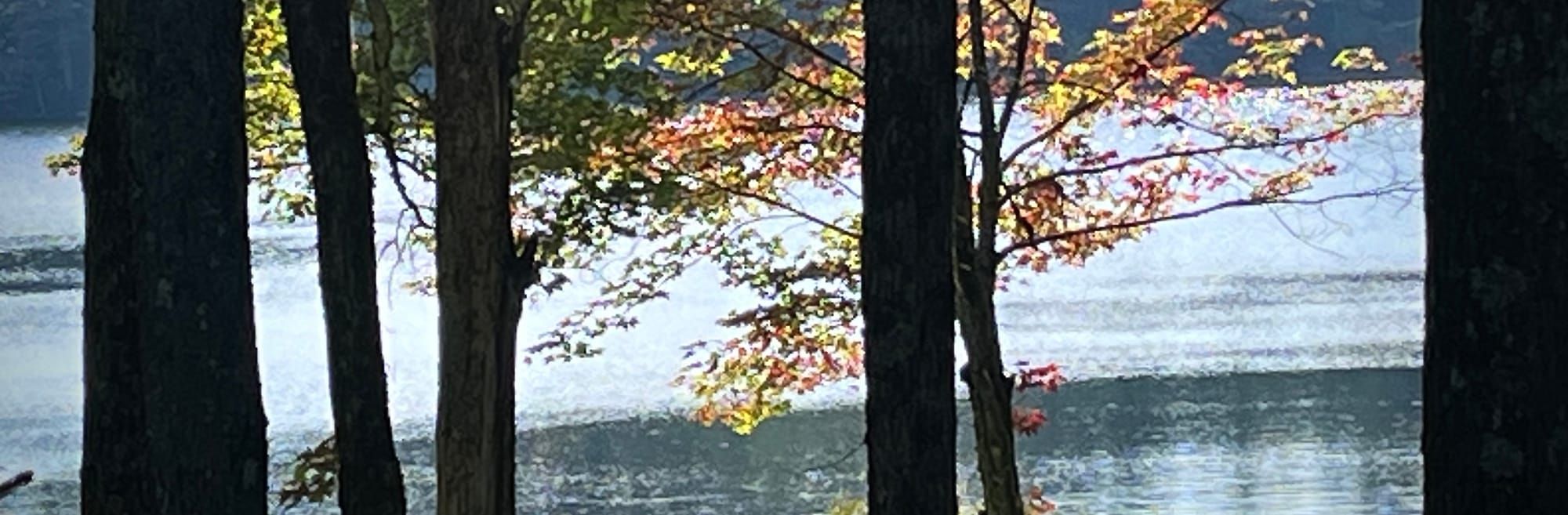
At the edge of the pond, the leaves on the small maple tree are turning red. You have heard of this tree before, perhaps. The tree that by choice or agreement is the first to signal the onset of autumn around the pond. In the years we have lived here, it has remained mostly the same, not growing at the pace of the others, wedged where it is between the shore and the larger trees that hover over it. It tilts to one side. Not even a straight tree. It is the water boy, the assistant junior manager, the kid in the mailroom. Except, once a year—this time of year—it is invited to throw out the first pitch. After which, back to the bench.
It will be a few more weeks before the more mature trees, some of them also maples, begin to flourish their colors, and we arrive at the time when we feel most rewarded for living in this part of New England, after cold winter has led into mud season, passed into black fly season, then hot summer, and finally into fall. There is no perfect place to live in the world. Wherever we are, nature uses a measure of force to control our gait. Don’t think the horse is the only one with the bit in its mouth, or the dog with a collar. We are leashed with the rest of them. But here, we can run free for a while when autumn rolls around.
At home, we can head back into the lower woods and the untamed areas near our cabin, to bring up the logs and limbs that remain from the winter job of felling, hauling and splitting ash trees. We managed to stack over five cords by May 1, when we gave up the task because our boots were sinking into the mud caused by spring runoff, and the black flies were emerging from the native soil. It is possible now to drive the little engine that could, our fifteen-year-old John Deere D100, with its green wagon, to collect the balance of downed wood and cart it to the splitter as a start on next year’s heat. We are in step with nature, submissively by its side, on pace to keep a year ahead of our winter fuel requirements, while having the summer for mowing, planting, and harvesting.
The potatoes are out of the ground, as is the garlic. The green beans are still proliferating, along with the carrots. Our tomatoes are gone, but there are mountains of them at local farm stands. I wonder sometimes why I bother to grow our own vegetables when there are so many capable growers nearby. For that reason, we don’t grow squash anymore, such as zucchini, although my wife would like to look out the window at pumpkins lolling in the field.
We occupy ourselves with less common farm stand produce such as the garlic and potatoes, plus leeks and onions, things that we use regularly in cooking, not only for their own sake, but as additions to whatever else we’re making. People may think a potato is a potato, or an onion an onion, but they are not. You will know the difference the first time you try to slice them. They don’t so much resist the cut as make you feel you have struck the ball with the sweet part of the instrument—the center of the racket, the meat of the bat. One can feel freshness.
Which I guess is the reason to grow your own, bearing in mind it will disclose heartache as well. This year, there has been plenty of it. The tomatoes, for instance. For the second year, they occupied an unprotected outpost near the edge of the woods that receives nearly constant sunlight during the growing season. They had only their wits and sour green fruit to beat off the attack of porcupines and raccoons at night, and were no doubt covetous of the fence that went in for the young strawberries we planted near them this spring. The tomatoes survived, sorely damaged, but delivered on their promise. Next year they will have a fence, in addition to our respect.
The fruit trees, likewise, have experienced relentless pressure from porcupines. The trees are fenced, but the rodents can climb and dig. They tear at the bark, pull at the branches, and swipe at the fruit, knocking it to the ground for transport. Every night before bed, Huckleberry and I patrol the perimeter with a powerful flashlight and mark the territory. But we know with them that the art of defense is to keep awake.
So they wait.
But it was a good summer. The level of the pond remained above the second step of the dock ladder. We have seen it below the third. The grass on the top lawn survived the sun without shifting down to brown in too many places. In its fifth year, the open field we created out of the forest behind us is increasingly democratic. The dominant party remains the black-eyed Susans, but purple coneflowers are a strong minority that should need no one’s help getting on the ballot next year. Loyalists have been sneaking in Queen Anne’s lace. And there is a fringe group of wild bergamots, which always look like they’ve just come from the pub. I used to have an office in the old Grand Central building, looking up Park Avenue in New York. The hum of activity that reached me from twenty floors below is the hum of bees in our field. The drone of industry that never sleeps.
After two years convalescing from brown leaf spots, the winterberry bush at the corner of our cabin is already geared for the holidays, thick with berries that should ripen red as a bright cheek on a frosty day. I imagine it can’t wait.
Hold that thought. When the time is right, I’ll send you a picture.
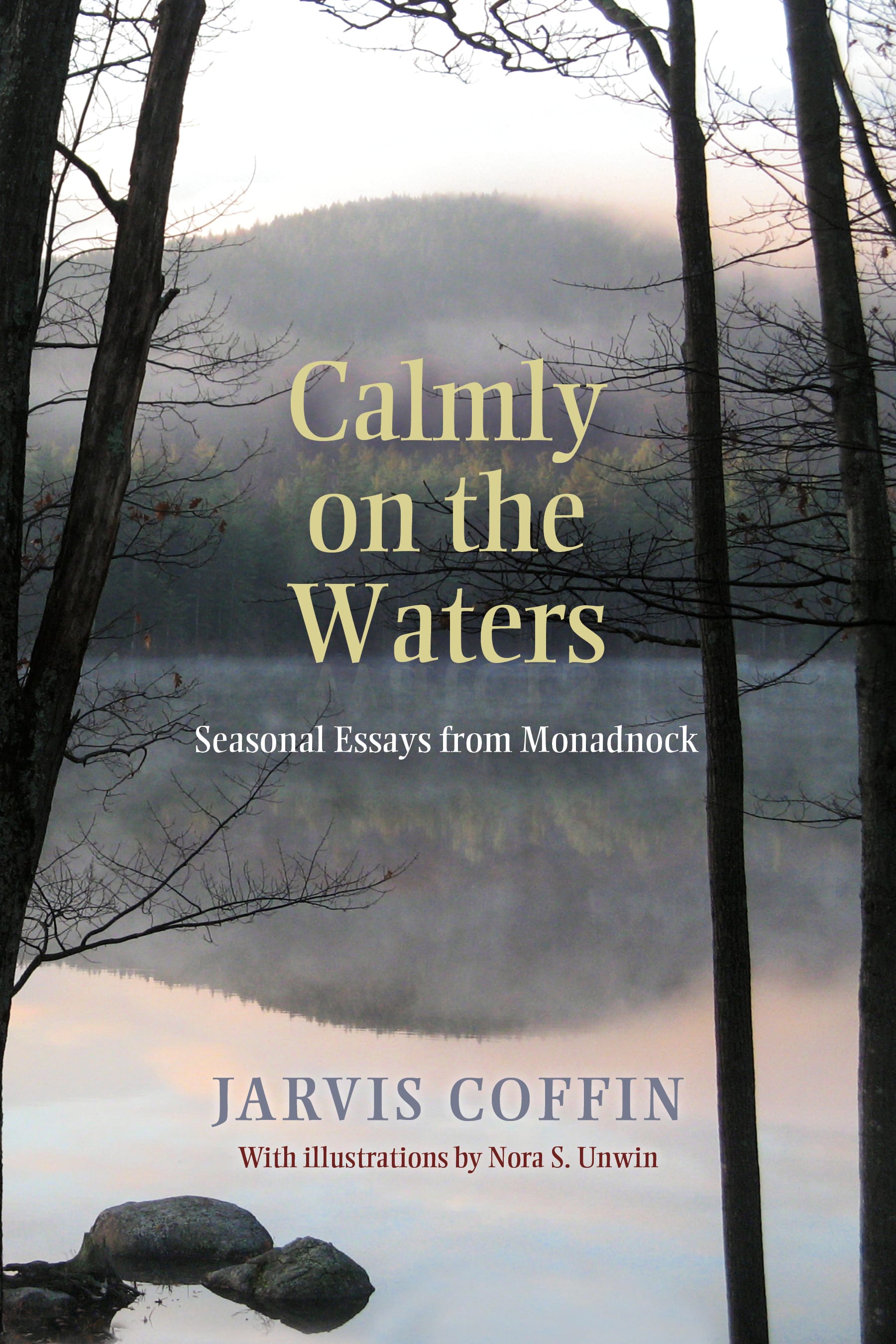
My first published collection of essays, "Calmly on the Waters" helps support my work, and keep you warm at night. Thank you.