
The Deep Green
I am looking at a wall of deep, forest green, against which my whip and chair seem poorly matched.

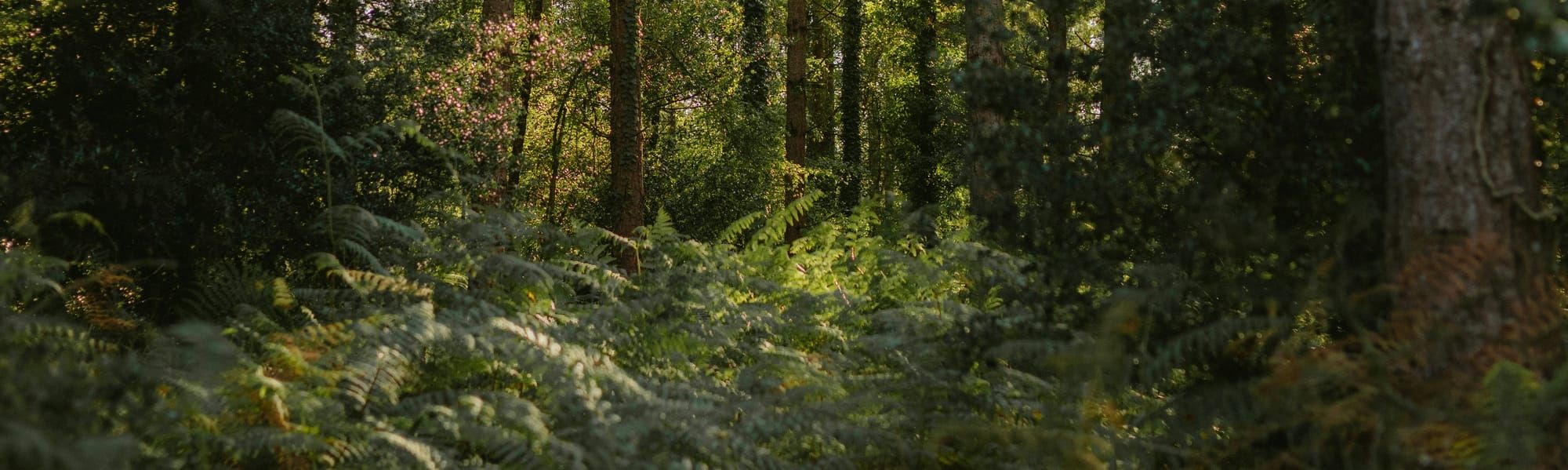
It is the season of deep, forest green crowding toward the center of every open space, encroaching from all directions, even upward from the ground. I weed the garden in the afternoon, and the next morning reinforcements have arrived. Each year at this time, I am reminded of the exuberance of plant life, determined to elbow its way to the front of the line. You should see me with a whip and a chair, at the center of the yard, snapping at the hemlock, beech, and birch limbs that taunt me. I mowed the lawn this morning through the inconvenience of their ever-extending branches scraping my back, poking down the neck of my shirt.
Our gravel driveway has three weeks of growth across its surface. It is a bearded driveway. It is past the point where we can pull the crabgrass, common plantain, and pineapple weed by hand, as we have in the past. They keep appearing. They keep advancing. One answer is to give up. Let the driveway go to seed. Except I’d be flinging gravel in every direction with the mower, and enough gravel finds its way to the lawns because of runoff and snowplowing. For about $150, I can buy a weed burner torch and backpack that holds a tank of propane—basically, a flamethrower. How does that seem to you, if I should decide to walk around with a tank of propane on my back to put down a driveway weed rebellion? I have never imagined carrying a tank of propane on my back. It feels oversubscribed. How about just a small, convenient propane torch, such as I’d use to caramelize the top of a crème brûlée? I have one of those in the kitchen.
The ferns are our greatest rival. They had overrun the place by the time we arrived many years ago, wiping out what had been—we’re told—lovely gardens, along with beds of myrtle (with pleasing blue flowers), and pachysandra. They overwhelmed everything between us and the waterfront, including azaleas, and highbush blueberries. We have established a certain amount of control, but they hang on in places. Their root systems extend like a web, making it nearly impossible to separate them from supply lines. These days, we use the string trimmer to suppress them. But legions of ferns are camped at the boundaries as an ominous warning that when we falter and fall they are ready to repossess the fine, open spaces.
Which means overrunning, again, the gardens we husband that are home to flowers and vegetables unable to defend themselves. The black-eyed-Susans have burst forth in the last week, taking over for the retreating lance-leaved coreopsis, lupine and sweet William. The slender stalks and leafy greens of the onions, garlic, and potatoes already have us anticipating the harvest. Inside the raised beds, at least, we can bar the door to the uninvited.
It is raining hard right now, and I can feel everything around us gathering strength. The air is cool and light while the rain falls, rinsing away the humidity. In short order, it will stop, and the woods will be thick and tangled with moisture, like wet hair, and have the same damp heaviness of the room after the shower curtain is swept aside. From where I sit, my view of the trees across the driveway is blocked by rhododendrons and a fan of lower beech and hemlock branches. I am looking at a wall of deep, forest green, against which my whip and chair seem poorly matched. I am far less inevitable than what confronts me. If I sit and wait, it will eventually swallow me.