Report from the Outside World
Except for those sanctuaries we have discovered along the way, we drove two thousand miles through an unimaginative, impersonal wasteland.

This is my annual report from the outside world after our most recent road trip to Louisville to visit our son and help hang pictures in his newest apartment. Four trips, three different apartments, the same two dozen pictures and prints, plus a wide screen TV. Also, a set of curtains this year. I can’t wait to go back next year, but I have made clear I’m done with apartment setting-up if he has moved again. He is now living with his girlfriend. They seem serious about each other. We have no issue with them behaving like grown-ups in that regard, but it will now include hanging the pictures, rolling out rugs, and moving the couches going forward.
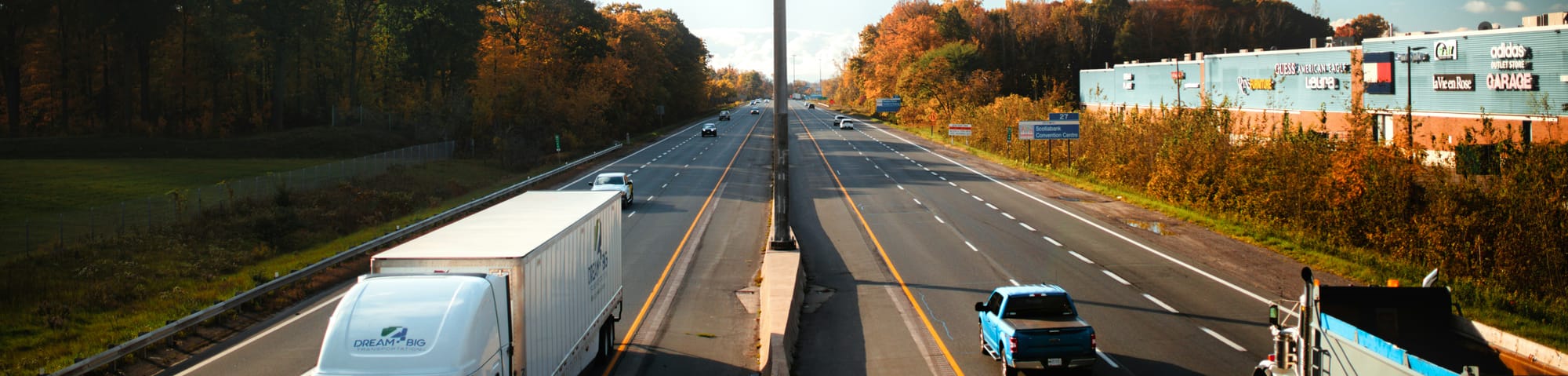
I love road trips, and we have managed, after four times to Louisville—a thousand miles each way—to scout out interesting stops for meals and overnights. It takes patience, trial and error, and a burning desire to stay away from Waffle House, Chipotle’s, and fast food, generally. Still, until you are safely within the city limits of your destination, off the highways, and away from the malls that grow alongside them like Japanese knotweed, you are at the mercy of the drovers—the dealership and casino billboards, the stoplights, traffic lanes for left and right turns only, the drive-thru’s (“Welcome to Starbucks, would you like to try a caramel macchiato? ”), and stadium-sized parking lots.
You do not have to go far to experience America’s commercial sprawl. A drive through Nashua will do it. But along 101A in Nashua there are, at least, countless boutiques tucked-in among the big box stores and chain restaurants. One can achieve a sense of place in Nashua. I am reporting that this is not the case across hundreds of miles of road, heading west. The next place off the highway is like the last place. Same food, same cheap lodging, same amusements—and the same American worker, with only a name tag as a token of belonging.
What pride or inspiration is likely to be created for a person working behind the counter of another megamart that has no local roots, no special craft, no long-term stake in the community? Regarding Nashua, we buy dog food occasionally at Food for Pets, which is along the strip we slog through headed to route 3. The store has been there, maybe, forty years. One afternoon last year, my wife was standing at check-out waiting while a woman paid for three large bags of dog food, plus additional treats and toys. She comes down from Maine. She lived in Nashua, shopped at Food for Pets for years, and won’t give it up.
In contrast, franchises siphon money from the neighborhood, dole out wages and taxes, and send the profits to Texas, or California. Or China. Someplace else. I can understand why it is hard for the young person bagging my items for the road to smile. I get a mumbled, “Thanks for shopping PetSmart. Have a nice day.” What a drag.
Except for those sanctuaries we have discovered along the way, we drove two thousand miles through an unimaginative, impersonal wasteland. Once upon a time, it was the aggregate of those sanctuaries that characterized a creative and pluralistic America. Today, much of America feels like DSW Shoes, Homewood Suites by Hilton, Walmart, and Outback Steakhouse. What have any of them done for us, culturally, except diminish our expectations for quality and service? Did we think a Target in every town would bring us closer together?
Which is why it’s great to be home, in a place that still appeals to the imagination.